

Introduction
Having a loving home with step-siblings and bonus parents is a blessing. However, from years of experience, one thing that destroys some blended families is who inherits what.
So, to maintain the happy bustle of life you’ve created with your blended family, it’s important you get estate planning done from the onset.
Estate planning for your blended family doesn’t have to be overwhelming. We at Play and Prosper will help you know how to get through blended families’ estate planning with ease.
Why is Estate Planning Important for Blended Families?
Let’s consider this: Picture yourself without an estate plan in place. Next, think about a situation that seems unexpected to you. In some states, if you die without making a will while married, your spouse could inherit your property automatically.
This “intestate succession” law might result in your biological children from a previous marriage not getting anything at all. By creating an estate plan, you can avoid such happenings and ensure the future safety of those whom you care about.
Challenges of Blended Family Estate Planning
● Finding the right balance: How do you ensure everyone feels on an equal footing? This could be difficult when your offspring are at different stages in life or have distinct requirements. Younger children may need more financial assistance to pay for education and other future endeavors, whereas older ones may already be self-reliant.
● Possibility of disagreements: The most crucial thing is to keep talking with siblings or between partners and their children, to avoid unnecessary disputes that may arise while sharing assets. Distribution of possessions ambiguously or unfairly can lead to future grudges and possibly court cases.
● Complexities with ex-spouses: Dealing with ex-partners can sometimes become a thorny issue, especially if it concerns anything that has something to do with children. However, a person must also consider the inheritance rights of those individuals and any child support arrangements currently agreed upon. You should have your lawyer review your estate plan to ensure it does not conflict with any current custody orders.
Strategies for a Smooth Estate Plan
Communication is Key
Always talk to your wife and children (age-appropriate) about your intentions. Elaborate to them why you have chosen the path of dividing your wealth as planned and discuss their apprehensions.
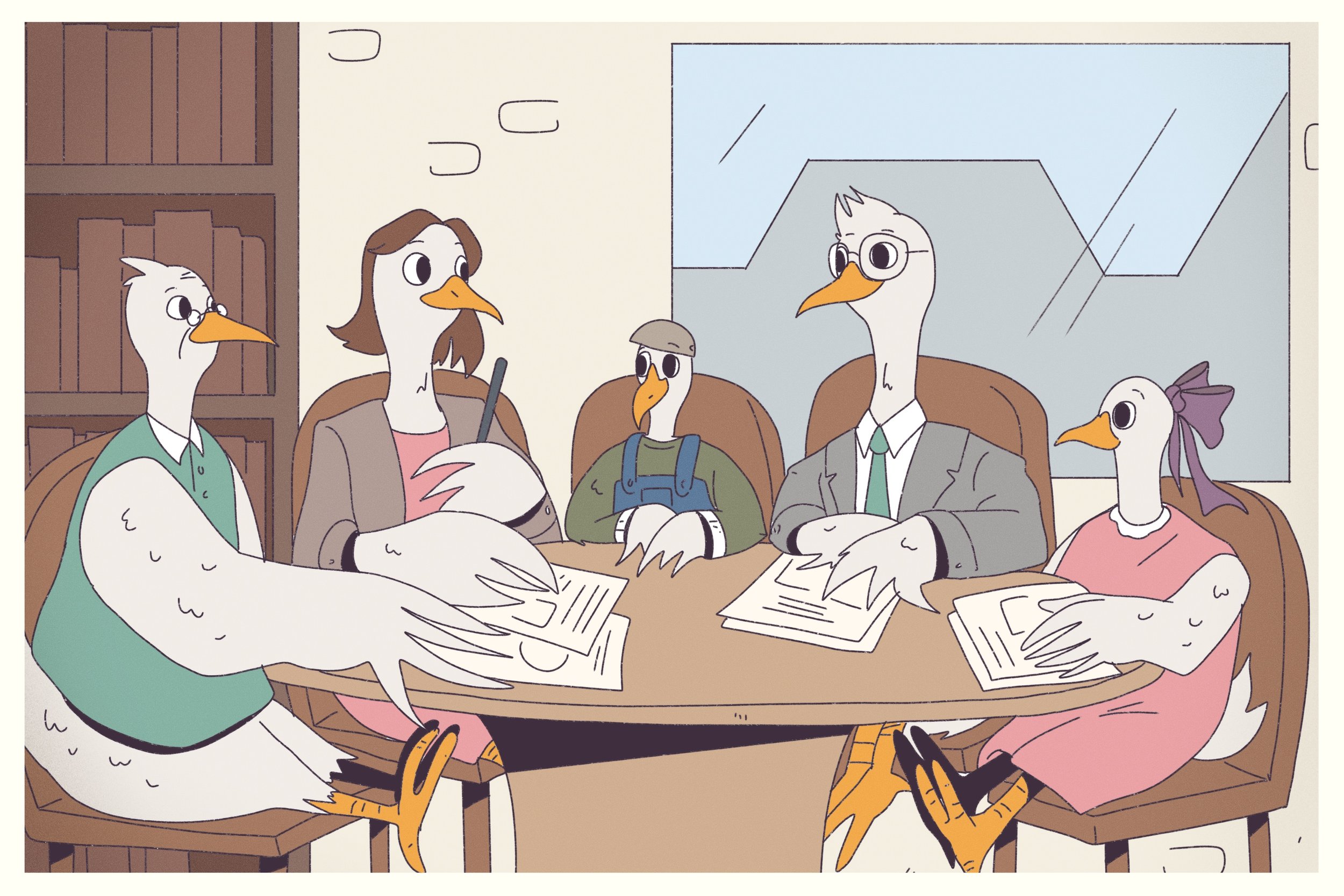
Before starting the estate planning process, it’s also essential you organize a family gathering. It will be an opportunity for you to come clean on your plans and deal with any concerns or queries your relatives might have.
Craft a Comprehensive Estate Plan
Estate planning is necessary to ensure your assets will be divided as per your desires. Here are some important instruments:
● Wills: These are legal papers that state who should get your wealth. Even though making a will is easy, it often undergoes probate, a slow and expensive court process.
● Trusts: Trusts are quite handy, especially for step-families, because they enable you to spell out how and when your assets will be distributed. Living trusts, in particular, can avoid the process of probate entirely. When must I talk with an estate plan lawyer about my situation so they can advise me on the most appropriate trust?
● Beneficiary designations: It is important that you update or review beneficiaries listed on every life insurance policy, retirement account (IRA or 401 K), and investment account. Thus, those you choose receive these transfers directly without going through probate courts.
Consider an A/B Trust
Many blended families choose this option. An A/B trust divides your assets into two separate trusts. Trust A may hold assets for your kids from a prior marriage, while Trust B can maintain your mate during his or her lifetime, with the remainder going to all of your children later in life.
This plan ensures your spouse’s security and still preserves your children’s inheritance rights.
Update Regularly
You need to update your estate plan often to capture any developments around you. A review of plans should mark major life events like births, marriages, or changes in finances.
Seek Professional Guidance
You need a skilled estate planning attorney advice when facing blended family planning complexities. They can help you tailor the strategy to meet your specific needs, deal with legal intricacies, help draw up wills and trusts and respond to inquiries brought before them by clients.
Financial Planning for Your Blended Family’s Future
When it comes to financial planning for blended families, estate planning is just one piece of the puzzle. Here are some tips to help you navigate this complex process:
● Collaborate on a budget: The family can sit together and create a budget. It’s useful in terms of better control over your finances, understanding your income and expenses, saving money, and setting financial targets for your relatives.
Useful Resource: NerdWallet’s Monthly Budget Calculator.
● Build an emergency fund: An emergency fund is something every family should have, particularly in the case of blended families that often have unique financial situations. Such funds can pay off unexpected expenses like medical bills or car repairs. Be ready to accumulate enough money to cover 3-6 months of living costs in case of emergencies.
● College savings: Saving for college is crucial when considering your children’s future education expenses. Commence savings early, even if the deposits are small. Many savings plans are available; hence, it’s important to do some research before settling on one that suits you.
Bottom Line
Although they may be nerve-racking, estate plans for blended families are essential. You have to foster a culture of honesty with your loved ones, develop an elaborate scheme, and seek specialist guidance if needed.
This way, you can ensure that everyone enjoys a successful future. Never forget that the process of crafting an estate plan is one way by which you can continue to demonstrate love for your children, even in the face of death.