
Introduction
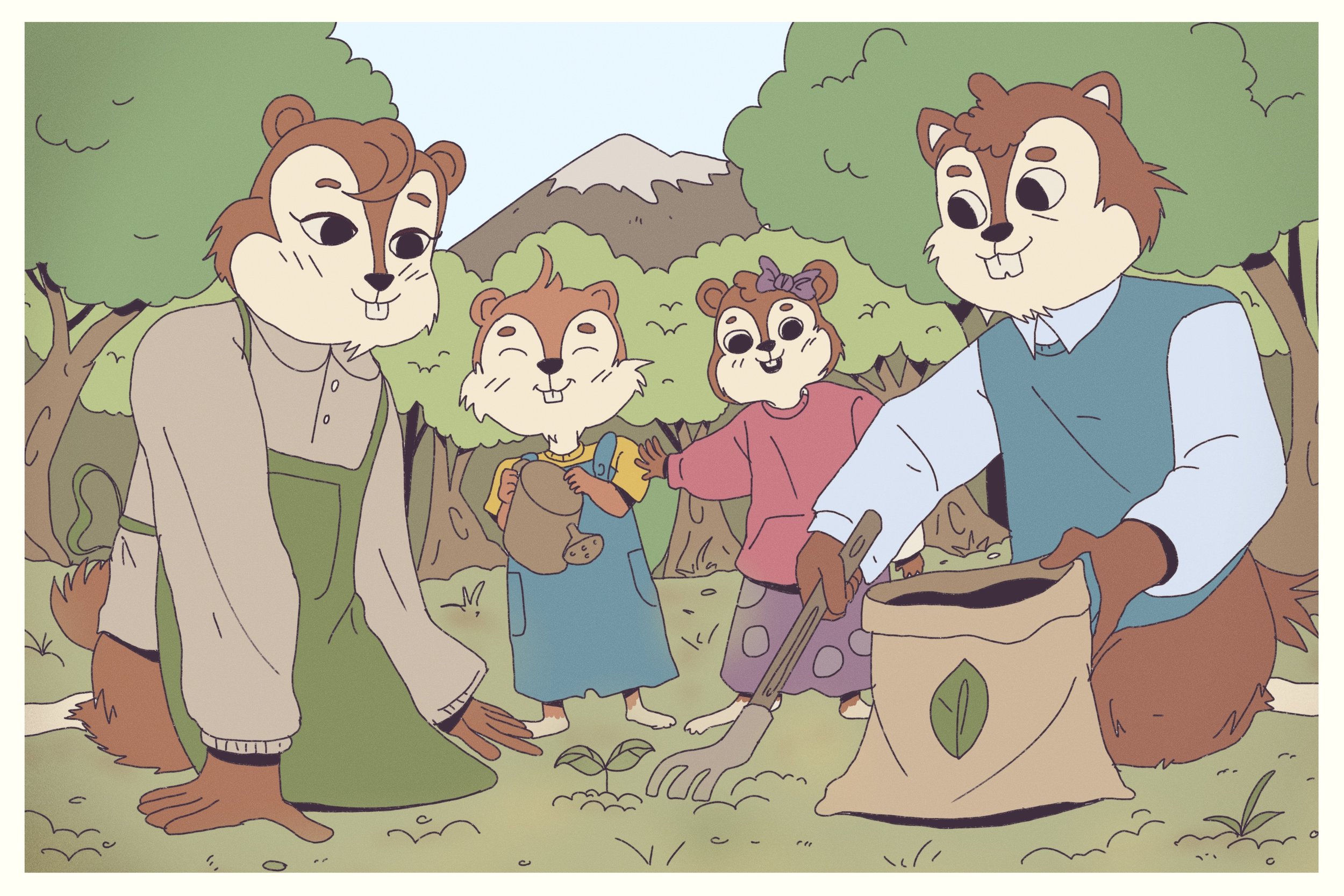
Considering the environment and how it is affected by our deeds is important for a parent. That’s what eco-friendly parenting, also called green parenting, does; it calls for easy changes to daily routines that not just save money but also save the earth.
Play & Prosper pledges to support families and make their progeny grow up in a world that is self-sustaining. We will share practical tips in this article which will help you become an eco-conscious parent without spending too much money on this.
Let us look at seven ways of amalgamating ecologically friendly practices into your parenthood journey while providing some relief on household costs:
Embrace Second-Hand Gems
Don’t get hooked to the habits of buying brand new clothes and toys for your child as they grow. Children outgrow things quickly, and many gently used items still have plenty of life left in them.
Here are some eco-friendly options and budget-friendly:
● Thrift stores and consignment shops: These places are a treasure trove! The quality and variety of children’s clothes, books, and toys you can find here at a fraction of their original cost will take you by surprise.
● Online marketplaces: Websites such as Facebook Marketplace, Craigslist or online consignment stores avail second-hand stuff diversely.
● Garage sales and community swap meets: Want to make your weekend more thrilling? Why not try going for a garage sale or community swap meet? After all, you get to inhale fresh air while getting awesome deals on various items but also have it in mind that it is an excellent way for you to declutter your own space by holding a backyard sale with friendly neighbors.
Reusables for the Win!
Why not use reusable nappies and wipes instead of throwaway? While this is the case, there are disadvantages attached to using disposable diapers and wipes.
Here’s how using reusable options can benefit both your wallet and the planet:
● Cloth diapers: Although you have to pay this money at once, the reusability of these cloth diapers makes them cheaper than buying a new one every now and then for different children. They also come in various styles and materials to choose from as per your preferences.
● Biodegradable diapers: In case you dislike cloth diapering, you may prefer biodegradable alternatives which are better options than usual non-reusable ones. Seek out brands that emphasize on sustainable inputs and social responsibility practices during manufacturing process.
● Washable wipes: Instead of use-and-throw-away facial tissues, try out washable wipes for your baby. Not only are they healthier for nature but also gentler on little ones’ fragile skins.
Wash Smart, Save Green
Having kids means dealing with laundry. But there are ways to make it greener and cheaper.
● Wash bigger loads: Don’t put in anything until you have a full load to run the machine on. This way, water and energy are saved.
● Use cold water: Most detergents work as well in cool water as they do in hot water. So skip the hot water setting and see the savings on your energy bill.
● Air dry: Hang your clothes outside if possible. It will save energy and sunlight acts like a natural disinfectant.
● Eco-friendly detergents: When buying detergent, choose concentrated eco-friendly options that have no harsh chemicals. Look for brands that use plant-based ingredients and minimal packaging Try using refillable containers to reduce plastic waste.
Breastfeed and Embrace Homemade Meals
When it comes to feeding your kid, breast milk is the most natural and environmental friendly. It doesn’t require any packaging, generates no trash, and can also be a way of saving money as opposed to buying prepared formulas.
As your child grows older, think about getting rid of processed foods that are pre-packaged in favor of homemade meals which can be interesting and pocket-friendly as well.
Here are some few guidelines for you:
● Plan your meals ahead to avoid impulse buying and food wastage.
● Cook more than what you need so that you have leftovers for later meals saving time as well as cash.
● Be creative with leftovers by re-creating them into new dishes thus avoiding wastage of food.
Invest in Sustainable Clothing
In addition to being cute, fast fashion trends can be ridiculously expensive both for the environment and your wallet. That’s how to dress your little one sustainably.
To dress your little one sustainably, select clothes made from natural fabrics such as organic cotton or bamboo or hemp. They are gentler on the skin of your baby and decompose more easily in garbage sites.
Focus on quality rather than quantity by purchasing some long-lasting outfits that are ethically made and will outlive these seasonally popular disposable ones. You can also look for store with gently used cloths instead of constantly buying new ones. Alternatively you can consider having a clothing exchange program within friends and family members.
Borrow Books, Embrace Digital Libraries
Do you have a child who loves reading? Do not worry though; there are eco-friendly ways of doing this without draining your pockets:
● Local libraries: These institutions contain books, audiobooks as well as informative materials that can help kids learn. Getting a library card is all it takes to access this wide range of resources.
● Digital libraries: Some libraries let users borrow eBooks and audiobooks for their tablets or e-readers. This way, you do not accumulate paperbacks while saving on paper usage.
The Power of Bulk (But Shop Smart!)
The idea might not be obvious at first, but in some cases buying large quantities is good for the environment and your wallet. Below are tips on how to buy smart when purchasing in bulk:
● Buy only essentials: Ensure you have enough supplies of essential items such as diapers, wipes, toiletries with long shelf lives whenever they are offered on promotional sales at warehouse clubs or online retailers.
● Calculate the unit price: Do not think that bulk discounts are always better than anything else. Take time to calculate the unit price like cost per diaper, etc., so that you can be sure that you get maximum value from what you spend.
● Consider storage space: If there is no place left to store big quantities properly then it is better not to purchase impulsively. An oversupply can lead to expiration and wastage of products in the end.
Play & Prosper Tip: Buying in bulk, as much as it saves you money, should not be a reason for going overboard. Only buy what your family requires and can store properly. There is no point of storing things that you rarely use or are perishable goods that will go bad before you have a chance to use them.
Bottom Line
Eco-friendly parenting is beneficial to both children and the environment. We at Play & Prosper encourage a few basic ways of bringing up environmentally friendly kids. When you embrace these green practices into your parenting style, you are saving the earth and money at the same time.