
Prefer to listen? Press play, and we'll read it to you.
Introduction:
Financial education is necessary for all people, including young ones in today’s world. That’s a fact we’ve discovered holds through after years on working with parents and kids on financial issues at Play & Prosper.
Being a father or mother, it is very important that you instill financial education into your child as early as possible to enable them to make sound financial decisions. It is expected that you may have some fears and issues concerning teaching your child about money.
This article will offer practical advice to address your concerns and guide you through the process of teaching your kid financial literacy skills. With these tips, it can be easier to teach children about money.
Below are tactics you can employ while teaching kids of all ages, from babies to ten years old, about money.
The Early Years (Ages 3-5): Building a Foundation
Young children are curious about everything about their environment, including financial terms. To guarantee that a person has a healthy financial attitude, it is necessary to introduce them at an early stage.
Here is how to lay the groundwork for three years old toward future positive finances:
Open Communication is Key
Begin by explaining money to your children in simple terms they can understand. Reason out why you cannot buy everything they demand and how you choose what to buy first. They should be encouraged to ask questions, which parents must answer truthfully.
Make it Visually Appealing
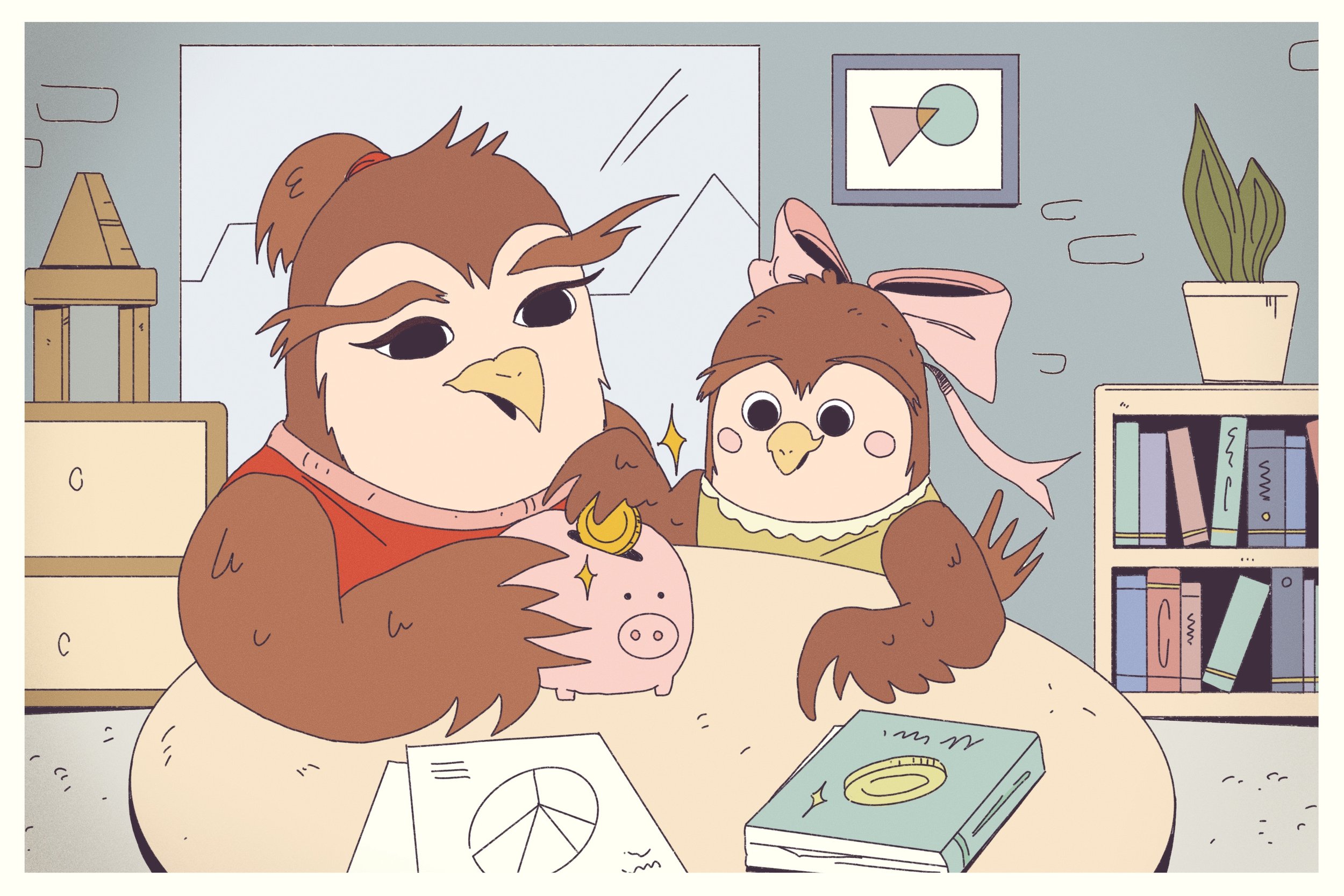
To improve teaching, use visual aids with kids as much as possible. For instance, replace the piggy bank with a transparent jar when teaching about saving. This allows children to watch their savings increase, thereby emphasizing the need to save and wait for rewards.
Playtime with Purpose
Engage your child in several playful activities that enhance their financial knowledge. For example, pretend games like playing a store or restaurant where they use fake money to purchase things using these notes or even real coins (with adult supervision) can go a long way in helping them understand the basic principles of currency and its exchange.
Use Storybooks to Teach Financial Concepts
Select financial storybooks suitable for your toddler’s age bracket and read one each day. These kinds of books teach little kids basic financial ideas through exciting stories that are easy to comprehend. The MoneyBunny Series, Penny Pot, and Once Upon a Dime are well-known examples.
Additionally, I recommend you check out our A Young Economist’s Guide book series, which has excellent rhyming books for children with titles such as Diminishing Returns, Economies of Scale and Tragedy of the Commons.
Building on the Basics (Ages 6-8): Allowance, Saving, and Smart Spending
Financial literacy concepts should be introduced to children at this age. Below are some pointers to help them understand allowances, saving, and responsible spending:
Teach Money Management with Allowances
Make your children financially accountable by giving them an allowance every week. Consider attaching it to allowances that suit the age of the child so as to demonstrate that work is a means of gaining money. This will teach them how important it is to earn money and take care of their budgets.
Foster Saving Habits for Future Purchases
To instill financial responsibility in your child, use their wishes for specific items to teach them. Let it be an opportunity for you to introduce them to saving towards larger purchases or goals.
Consider opening a savings account specifically designed for minors in accordance with your bank’s requirements. Here is my pick of the best savings account for kids:
➔ Alliant Credit Union Kids Savings Account
➔ First Tech Federal Credit Union Start Up Savings
➔ Service Credit Union Primary Savings
➔ BECU Early Saver Youth Account
Make Comparison Shopping a Fun Game for Kids
Teach your kids how things like unit pricing can save you money when grocery shopping. They will learn how brands compare, how sizes matter within brands, and hence which has better value than another; this facilitates understanding of cost-effectiveness.
Teach the Difference between Needs and Wants
To help your child distinguish between indispensable needs (such as food and housing) and wants (like toys, snacks, etc.), a game can be played where children classify or chart together.
Consequently, this will develop their sense of financial priorities and encourage them to be prudent consumers.
Growing Independence (Ages 9-10): Budgeting, Goal Setting, and Earning Opportunities
Your child is growing older, at around 9-10 years, and they are starting to have more independence and the ability to understand higher financial matters. It is a good time to expose the child to budgeting, financial goal setting, and earning.
Here are some tips for pre-teen about teaching them financial literacy:
Begin with Budgeting Essentials
Start with simple budgeting concepts for your child at this age. Create an easy chart demonstrating how they can divide their pocket money for spending, saving, and giving (for example, charity). Some popular methods include the 50/30/20 budget allocation.
Useful Resource: NerdWallet’s Monthly Budget Calculator.
Teach Goal Setting
Establish savings plans with both short-term (e.g., a new toy) and long-term goals (e.g., family vacation). Use visual charts that enable you to track progress, making it enjoyable.
Make Extra Money a Motivation
Encourage entrepreneurial spirit in your children through age-appropriate earning methods. Encourage additional domestic work or assign jobs around the neighborhood to develop responsibility and learn to earn.
Allow Your Kids to Make Financial Decisions
Some of the ways they can manage their money well is by having them use child-specific prepaid debit cards, especially if they have earned the money themselves. These cards enable parents to control expenditures, creating a safe environment for children to learn about fiscal prudence.
Here are some of the best options you can find online:
➔ HyperJar
➔ GoHenry
➔ Rooster Money
➔ Nimbl
Bottom Line
When it comes to raising children who are responsible financially, it’s a journey that never ends. With the tips listed above and your imagination, you can nurture a child who has grown up knowing the value of money.