
Introduction
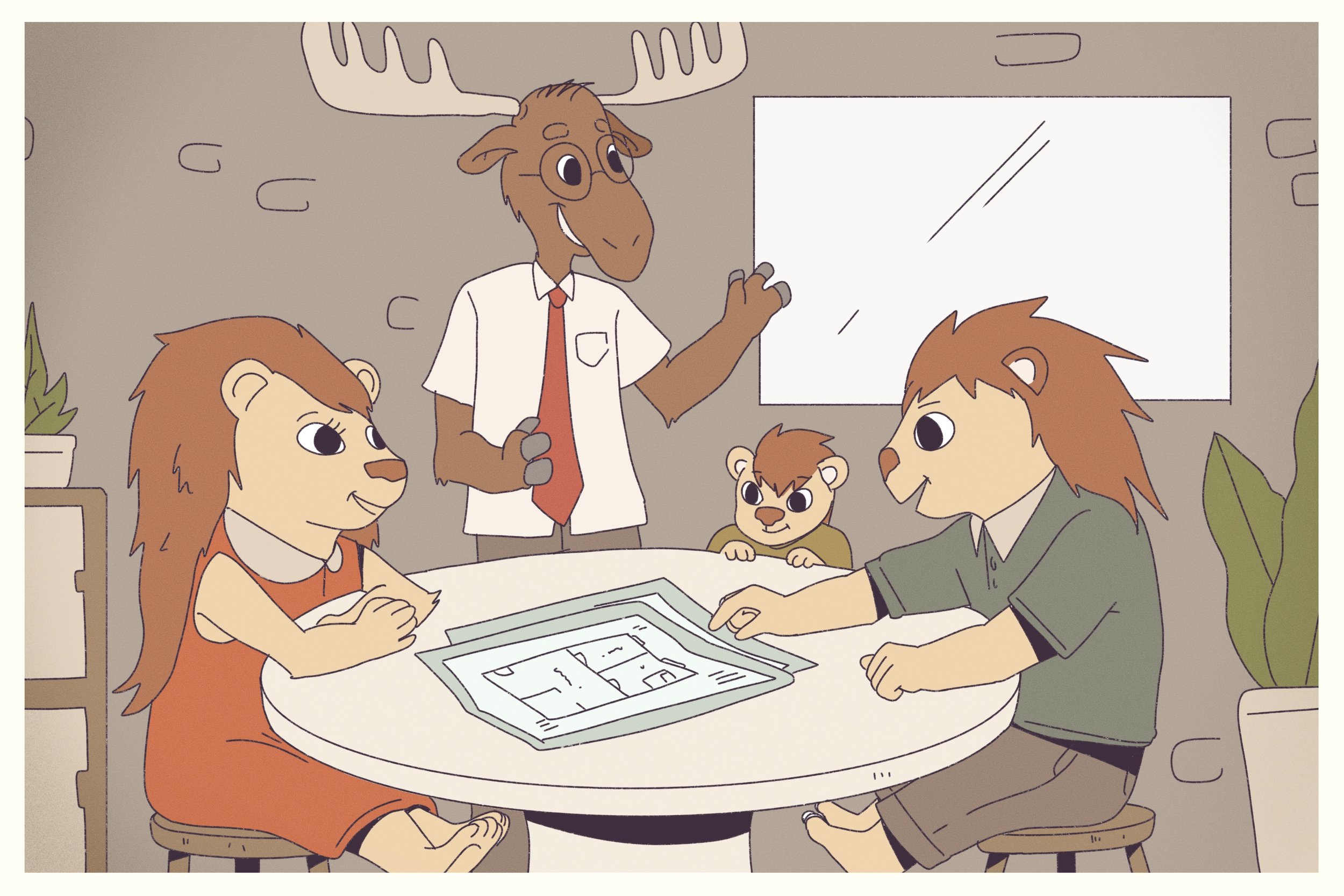
Purchasing your first home as a young couple can be a mix of excitement and stress. It can be tricky to know where to start, despite feeling prepared to take the leap into homeownership. The process can also be overwhelming with numerous steps and requirements to meet, as nobody wants to make a costly misstep.
To streamline the process and reduce stress, we have compiled some helpful tips for first-time homebuyers to guide you through it all.
Let’s dive in.
Related Article: Affordable Home Safety Upgrades for Young Families
Tips for First-Time Homebuyers with Young Families
Decide How Much You Can Afford
When looking to purchase your first home as a young family, the initial step to consider is determining your budget before exploring potential properties.
A helpful tool for young families is an affordability calculator, which takes into account factors such as your household income, down payment, current debts, credit rating, and desired location to establish a reasonable price range.
Save Early
When deciding how much you can spend on purchasing a house, young families need to take into account both one-time costs and ongoing expenses. It is important to begin saving for your ideal home as soon as possible.
Some key initial costs to keep in mind when saving for a home are:
● Down payments: When it comes to the size of your down payment, it really varies depending on who you’re getting your mortgage from and what type of mortgage you’re going for. If you’re a first-time home buyer with a good credit score, some lenders might only require a 3% down payment for certain conventional loans. This is meant to make it easier for young families who are just beginning their journey of homeownership. However, even a small down payment like this can still be tough for some young families to come up with. For instance, putting down 3% on a $500,000 house means you’d need to save $15,000. Once you’ve figured out how much you need to save, you can set up automatic transfers to kickstart your home-savings journey.
● Closing costs: When you buy a home, there are additional expenses called closing costs that you have to pay to finalize your mortgage agreement. Typically, these costs range from 2% to 6% of the total loan amount. For example, if you’re buying a $500,000 home, your closing costs could be anywhere between $10,000 and $30,000. These expenses are on top of your down payment. Sometimes, new homeowners can negotiate with the seller to cover some of the closing costs, which can save you money on things like home inspections and buying furniture.
● Moving expenses: When saving up for your first home, don’t forget to factor in your moving costs. Local moves typically cost about $2,500, but long-distance moves can be even more expensive. It’s crucial to keep these expenses in mind as you save for your new home. Be sure to budget for any necessary repairs, upgrades, and furnishing your home as well.
Have Good Credit
Having a high credit score is crucial in the home buying process. Your credit score plays a significant role in determining your eligibility for a mortgage and the interest rate you will receive.
If you’re looking to secure a lower interest rate on your mortgage, it’s essential to work on enhancing your credit score. Here are a few strategies to help you achieve that goal.
Please request a copy of your credit records from the credit bureaus and address any discrepancies that may impact your credit. Errors in your credit records have the potential to lower your credit score. It is important to pay your bills on a regular basis and work towards reducing your credit card balance.
Monitoring your credit score regularly is advised. Avoid closing your existing credit cards to maintain a higher amount of available credit. Also, refrain from opening new credit accounts to prevent any negative impact on the average age of your old credit accounts, which could result in a lower credit score.
Explore Your Options
As young families, first-time home buyers can benefit from various mortgage options provided by mortgage companies. It is crucial to thoroughly research and compare different mortgage plans to find the most suitable one for your family.
Available choices include FHA loans, conventional loans, USDA loans, and VA loans for military members. Furthermore, some states offer special programs for first-time home buyers, aimed at reducing the overall cost. It is advisable to assess and discern which mortgage option aligns best with your needs.
Lastly, ensure all required documents and paperwork are in order for the loan application process.
Select a Good Real Estate Agent
Finding the perfect real estate agent is essential when searching for a new home. A skilled agent will assist you in discovering a home that meets your financial plan and preferences.
If you’re unsure of how to locate a reputable agent, seek recommendations from new homebuyers. It’s important to inquire about an agent’s experience with first-time homebuyers, particularly those with young families, before making a decision. This ensures that the agent is equipped to handle your unique circumstances.
Be specific about your desired neighborhood and allow the agent to locate a suitable home for your family.
Don’t Exceed Your Budget
It can be challenging for some individuals to stick to a budget, particularly those with specific preferences. To prevent financial difficulties when buying a home, establishing and adhering to a budget is crucial. Some lenders might offer a loan amount higher than necessary, so it’s best to stay within your budget in such situations.
When looking at homes during inspections, focus on ones that meet your criteria while staying within your budget. Additionally, obtaining essential home insurance is advised, as it will cover rebuilding or repair costs in the event of damage.
Bottom Line
As a young family, buying your first home may seem intimidating at first. But fear not, it’s not as daunting as it seems. By following a few simple steps, you can make the process much easier.
Some key steps to consider when purchasing your first home include saving up early, creating a budget, maintaining good credit, selecting the right mortgage and real estate agent, and staying within your budget.
By following these steps, you can ensure that you’re getting the most value for your money as you embark on this exciting journey of becoming homeowners.